By Alex R. · Updated 2026-07-01 · 10 min read
 Many people dive into creating a self-sufficient backyard with dreams of lush gardens and fresh produce. However, many later regret their hasty decisions due to poor planning or inadequate research. They might have chosen the wrong materials, failed to understand their local climate, or underestimated the time and effort required to maintain a productive garden. A well-planned self-sufficient backyard can save money, improve well-being, and enhance sustainability. Understanding your needs and the resources available is crucial to turning your backyard into a flourishing haven. ### Why Many People Regret Their Choice While the self-sufficiency trend is appealing, not everyone is prepared for the realities. Common regrets include: - **Poor Research**: Many jump in without studying the best practices for self-sufficiency. - **Unrealistic Expectations**: Believing that a self-sufficient backyard can be established quickly and maintained effortlessly is misleading. - **Resource Misallocation**: Some invest heavily in the wrong tools or seeds that do not suit their area. Understanding these pitfalls can ensure your experience is rewarding, not regretful. ### Criteria That Should Drive Your Decision When contemplating a self-sufficient backyard, several key factors should guide your decision: 1. **Space Availability**: Consider the size and layout of your backyard. Are there areas for gardening, chicken coops, or composting? 2. **Climate Compatibility**: Research what plants and vegetables grow well in your local climate and soil type. 3. **Budget Constraints**: Establish a budget that considers initial setup costs and ongoing maintenance expenses. 4. **Time Commitment**: Assess how much time you can dedicate to gardening and maintenance weekly. ### What You Need to Know About the Current Market The market for self-sufficient backyard guides has grown, with many resources available. When researching books or online courses, pay attention to: - **Reviews**: Look for books with high ratings and positive feedback from users. - **Expertise**: Ensure the authors have a background in gardening, permaculture, or sustainable living. - **Practicality**: Seek guides that offer hands-on advice and step-by-step plans tailored to beginners. ### Questions to Ask Before Buying Before investing in any resources or kits, consider asking: 1. What specific goals do I have for my backyard? 2. What is the best time to purchase seeds and plants for my region? 3. Are there local resources or communities I can join for support? 4. What type of maintenance does the self-sufficient lifestyle require? 5. How can I include elements like rainwater harvesting or composting? ### Warning Signs to Spot Avoid making a purchase if you notice any of these red flags: - **Lack of Transparency**: Authors sharing little about their experience or background. - **Overhyped Claims**: Guides promising extraordinary results with minimal effort. - **High Costs without Value**: Resources that are overpriced but do not deliver useful information.
 ✓ Pros
Encourages self-sustainability and healthy living.
Offers fresh produce easily accessible from home.
✗ Cons
Initial setup can be time-consuming and costly.
Requires ongoing maintenance and effort to sustain.
Resource mentioned in this article
The Self Sufficient Backyard
Usage guide and pricing
See The Self Sufficient Backyard options →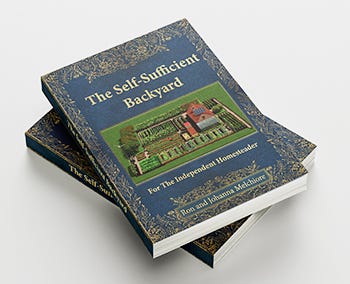
Full information available here
Explore The Self Sufficient Backyard →
Option featured in this guide:
Learn more about The Self Sufficient BackyardAffiliate link — our editorial analysis remains independent.
Frequently Asked Questions
This article contains affiliate links. Our editorial analysis remains independent.