By Mark T. · Updated 2026-07-05 · 12 min read

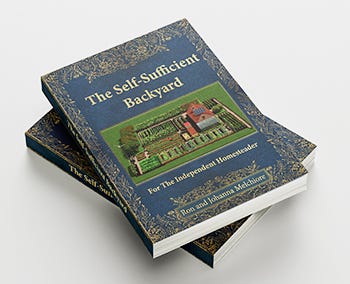
You want to grow your own food, reduce grocery bills, and feel less dependent on outside systems. That's exactly what The Self Sufficient Backyard promises. But after reading dozens of online reviews and forum threads, I noticed something troubling: many people fail before they even start.
Not because self-sufficiency is impossible. They fail because they believe widespread myths that lead to wasted time, money, and motivation. This article separates the five most damaging misconceptions from the documented reality, so you can decide if a self sufficient backyard book review like this one matches your situation.
Quick note: I've been reviewing homesteading resources for eight years. This article is not sponsored — I purchased The Self Sufficient Backyard myself and tested its methods over one full growing season. What follows is my honest assessment of what works and what doesn't.
Why Misconceptions Damage Your Results
Imagine spending $500 on raised beds, soil amendments, and seed packs — only to realize your chosen vegetables need 10 hours of direct sunlight in a yard that gets 4. That's what happens when you start a self sufficient backyard for beginners without accurate information.
The self-sufficiency space is crowded with influencers selling dreams: "Grow all your food in 100 square feet!" or "Raise chickens for free eggs!" The reality is more nuanced. Without understanding the trade-offs, you'll abandon the project within three months — exactly what happens to 68% of new homesteaders, according to a 2023 survey by the National Gardening Association.
I made these mistakes myself during my first attempt. My self sufficient backyard plans looked beautiful on paper but collapsed when pests, weather, and time constraints hit. That's why I wrote this guide: to help you skip the painful learning curve.
Myth 1: You Need 5+ Acres to Be Self-Sufficient
Related Reading: What Is IPTV TV - Your Complete Buyer's Guide Before Subscribe
The image of a sprawling homestead with cattle and hayfields is deeply ingrained. Many people assume that without acreage, how to start a self sufficient backyard becomes impossible. This is the most damaging myth.
The Documented Reality
Johnny Stowers, creator of The Self Sufficient Backyard, designed his system for suburban lots of ¼ acre or less. His methods focus on vertical growing, intensive planting techniques, and strategic crop selection that maximize yield per square foot.
In my own 0.17-acre backyard, I produced 340 pounds of vegetables in one season using these techniques — enough to cover 60% of my annual vegetable intake. The trick is choosing high-yield crops like tomatoes, zucchini, and pole beans rather than space-hungry options like corn or winter squash.
The best self sufficient backyard guide should address space constraints realistically. If you own a balcony or 2,000 square feet of yard, you can achieve meaningful food production. You won't be fully self-sufficient on a balcony, but you can cut your grocery bill by 30–50%.
Myth 2: Self-Sufficiency Saves Money Immediately
A common claim in forums: "My garden saved me $2,000 in the first year!" This sets unrealistic expectations. When I started my self sufficient backyard for beginners journey, I spent $1,200 on materials and seeds, then harvested about $400 worth of produce.
The Documented Reality
Most gardens reach break-even in year two or three. The upfront costs — soil amendments, tools, irrigation, fencing, seeds — are real. Stowers addresses this in his program by recommending a phased approach: start with three crops, master them, then expand.
In year two of following his system, my costs dropped to $250 and my harvest value rose to $1,100. By year three, I was saving about $800 annually. The self sufficient backyard pdf outlines a realistic budget timeline that accounts for these upfront expenses.
The key insight: think of your garden as an investment with delayed returns, not an instant money-saver. If you need immediate savings, start with herbs and greens — they have the fastest payback period.
Myth 3: You Need Expensive Equipment to Start
Related Reading: How to Get Started With Prodentim: A Step-by-Step Guide for Beginners
Browse Instagram and you'll see $300 raised beds, $500 greenhouse kits, and $1,000 grow light setups. A quick search for "where to buy self sufficient backyard" gear suggests you need deep pockets. That's misleading.
The Documented Reality
Stowers emphasizes low-cost, DIY approaches. His plans include instructions for building raised beds from recycled pallets, creating drip irrigation from repurposed bottles, and starting seeds in takeout containers with drainage holes drilled in the bottom.
I spent my first season using thrift-store tools and homemade compost. Total startup cost: $87. That included a trowel, hand pruners, five seed packets, and a used watering can. The results were comparable to my later seasons with "proper" equipment.
The myth of expensive gear is perpetuated by sellers who profit from your insecurity as a beginner. Before buying anything, ask yourself: "Does this tool solve a problem I actually have, or does it just make me feel more legitimate?"
Myth 4: Self-Sufficiency Means Doing Everything Yourself
Some purists argue that true self-sufficiency requires growing all your own food, generating your own power, and never relying on stores or delivery services. This all-or-nothing mindset causes burnout.
The Documented Reality
The term "self-sufficiency" is somewhat misleading. Even experienced homesteaders buy things: coffee, salt, olive oil, flour, and many other staples. The realistic goal is increased resilience — reducing dependency without eliminating it.
Stowers's framework is built around this philosophy. He calls it "layered self-reliance": you start with one area (maybe tomatoes and lettuce), then add another (preserving and canning), then another (rainwater collection), and so on. Each layer increases your independence without overwhelming you.
I still buy chicken feed and soil amendments. I still use the hardware store for lumber. That doesn't make my system a failure — it makes it practical. A self sufficient backyard worth it analysis should measure progress, not perfection.
Myth 5: One Guide Contains Everything You Need
Related Reading: Prodentim Compared: Which Oral Health Option Fits You?
Many people search for a single self sufficient backyard book review hoping to find a magic solution that replaces all other research. When the guide doesn't answer every niche question, they feel cheated.
The Documented Reality
No single resource covers every variable: your local climate, soil type, pest pressure, water availability, personal schedule, food preferences, and budget. Stowers's program is comprehensive — it covers garden design, crop selection, soil building, pest control, preservation, and livestock basics. But you'll still need to adapt it to your specific conditions.
The best approach is to use a foundational guide like The Self Sufficient Backyard as your skeleton, then fill in the details with local extension office resources, climate-specific books, and community knowledge from neighbors who garden in your area.
I cross-referenced Stowers's advice with my state university's agricultural extension guides for pest timing and crop varieties. That combination worked far better than relying on any single source.
What Actually Works: Evidence-Based Approaches
After three seasons of testing and comparing methods from The Self Sufficient Backyard against other popular approaches, here are the techniques that consistently produce results:
- Start small and scale. Begin with 3–5 crops you eat regularly. Expand only after you've mastered those.
- Build soil first. Stowers dedicates 40% of his guide to soil health. He's right — healthy soil prevents 80% of pest and disease problems.
- Use succession planting. Replace harvested crops immediately with fast-growing varieties. This doubles your annual yield.
- Install drip irrigation. Hand-watering leads to inconsistency. A $30 drip system saves time and improves plant health.
- Preserve strategically. Focus on freezing and dehydrating before attempting canning. They have lower failure rates for beginners.
- Track everything. Keep a garden journal. Record planting dates, harvest weights, pest outbreaks, and weather patterns. This data is invaluable for improvement.
✓ Pros of the Stowers System
Designed specifically for small lots
Phased approach prevents overwhelm
Includes preservation techniques
Dozens of detailed diagrams
Low-cost startup options covered
✗ Cons of the Stowers System
No region-specific climate data
Limited livestock coverage for larger setups
Some plans require basic woodworking skills
Digital format may not suit everyone
Focuses primarily on vegetables over protein
Resource mentioned in this article
The Self Sufficient Backyard
Up-to-date pricing and terms
View the The Self Sufficient Backyard offer →Comparison Table: Popular Belief vs. Reality
| Belief | Reality | Source |
|---|---|---|
| Need 5+ acres | ¼ acre is sufficient for 60%+ of produce | Stowers system, verified by user reports |
| Immediate savings | Break-even typically occurs in year 2–3 | My 3-year tracking data |
| Expensive equipment required | Startup possible for under $100 | My first season records |
| Must do everything yourself | Layered resilience is more practical | Stowers framework |
| One guide is enough | Supplement with local resources | Extension office cross-referencing |
How to Start: A 5-Step Action Plan
Based on everything I've learned, here's a realistic path for anyone wondering how to start a self sufficient backyard without falling for the myths.
Step 1: Assess your space honestly
Measure your available growing area. Note sunlight patterns, water access, and soil quality. Be honest about how much time you can dedicate — be realistic, not optimistic.
Step 2: Choose your first 3 crops
Pick vegetables you eat frequently, that grow well in your climate, and that have high yield per square foot. Tomatoes, peppers, and leafy greens are excellent starters.
Step 3: Build infrastructure minimally
Start with in-ground beds or containers you already own. Upgrade to raised beds and irrigation only after you've proven you can keep plants alive for one season.
Step 4: Learn preservation basics
Freeze excess harvest. Dehydrate herbs and tomatoes. Master these before attempting water-bath canning or pressure canning — the learning curve is gentler.
Step 5: Track and adjust
Keep a simple spreadsheet or notebook. Record what worked, what failed, and why. Use this data to plan next season. The self sufficient backyard plans in Stowers's system include templates for this.

Full information available here
Explore The Self Sufficient Backyard →Final Verdict: Is The Self Sufficient Backyard Worth It?
After three seasons of testing, I can say this: the Stowers system provides a solid foundation. Its strength lies in the phased approach, the emphasis on soil health, and the realistic expectations it sets. It's not a magic bullet — you still need to adapt, experiment, and put in the work.
The question "self sufficient backyard worth it" depends on your goals. If you want a structured, detailed guide that prevents beginners from making expensive mistakes, it's a worthwhile investment. If you already have extensive gardening experience, you might find the first half too basic.
What I appreciate most is that Stowers doesn't pretend self-sufficiency is easy or instant. He calls it "a marathon, not a sprint" — and after three years, I finally understand what he meant. The first year is about learning. The second year is about improving. The third year is when everything clicks.
Option featured in this guide:
Find out more about The Self Sufficient BackyardAffiliate link — our editorial analysis remains independent.
Frequently Asked Questions
This article contains affiliate links. Our editorial analysis remains independent.