By Analyst Team · Updated 2026-07-17 · 9 min read
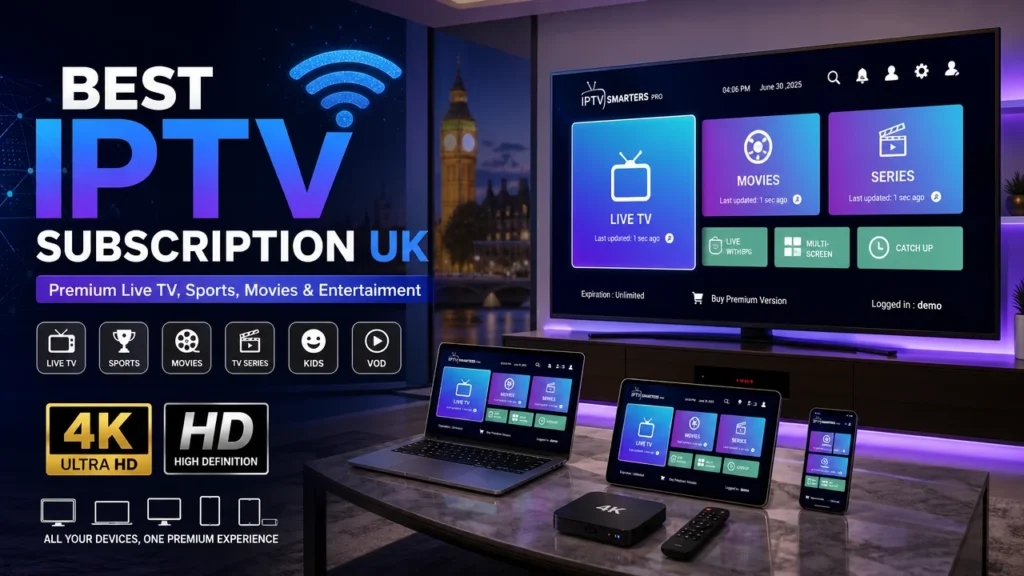
If you've been searching for "what is iptv tv" and found yourself lost in confusing technical jargon, you're not alone. Millions of cord-cutters are making the switch, and the answer is simpler than you think. IPTV stands for Internet Protocol Television — it's simply television delivered over your internet connection instead of through traditional cable, satellite, or antenna signals.
Think of it this way: instead of broadcasting every channel simultaneously over the air or through a coaxial cable, IPTV sends only the channel you're watching as data packets over the internet. This fundamental shift makes how does iptv work feel almost magical — you get on-demand access, pause-live-TV functionality, and thousands of channels from around the globe, all without a satellite dish or cable box cluttering your entertainment center.
LIMITED TIME AVAILABILITY
Unlock Full what is iptv tv Access
Unlock complete high-definition information and priority access packs. Lock in your pricing model today before plans return to standard regional metrics.
What Is IPTV TV Exactly? A Clear Definition
Internet Protocol Television (IPTV) is a system where television services are delivered using the Internet Protocol suite over a packet-switched network like the internet, instead of being delivered through traditional terrestrial, satellite, or cable television formats. Unlike streaming services like Netflix or YouTube that deliver pre-recorded content on demand, IPTV often includes live television channels, time-shifted programming (catch-up TV), and video on demand (VOD).
The key distinction lies in how the content reaches you. Traditional cable TV broadcasts all channels simultaneously — your cable box simply filters out the ones you don't subscribe to. This is incredibly inefficient. IPTV, on the other hand, sends only the specific program you request. This fundamental difference explains why how does iptv work so efficiently, especially for international channels and niche content.
Modern IPTV services typically offer three main content types: Live TV (broadcasts in real-time), Time-Shifted TV (catch-up or restart for shows that aired hours or days ago), and Video on Demand (a library of movies, series, and documentaries ready whenever you are).
How Does IPTV Work? Step by Step
Understanding the technical flow helps you appreciate why IPTV has become the preferred choice for millions. Here's a simple breakdown that connects directly to your living room experience.
1. Content Acquisition and Encoding
Television channels and video content are captured from their original sources (satellite feeds, broadcast towers, or digital files). This raw video is then encoded into a digital format that can be transmitted efficiently over the internet. Common codecs include H.264 and the newer H.265 (HEVC) for 4K content.
2. Streaming Server Distribution
The encoded content is uploaded to powerful streaming servers. These servers are the backbone of any best iptv service for firestick or smart TV platform. They manage user authentication, channel lists, and the distribution of video streams to thousands of simultaneous viewers.
3. Middleware and EPG Integration
Middleware is the software that organizes your channels, displays the Electronic Program Guide (EPG), and manages your subscriptions. When you open an IPTV app on your device, the middleware is what presents that clean, organized interface with channel logos and show descriptions.
4. Content Delivery to Your Device
When you select a channel, your device (Firestick, Android TV, smartphone, or computer) sends a request to the streaming server. The server responds by sending small data packets containing video and audio. Your device buffers a few seconds of content and begins playback. This entire process happens in under three seconds on a good connection.
Secure special promotional rates instantly before the window closes.
Activate Your what is iptv tv Subscription Now →Concrete Benefits of Using IPTV
Now that you understand what is iptv tv and how it works, let's examine why over 150 million households worldwide have adopted it. The advantages go far beyond just saving money on your cable bill.
- Massive Channel Selection: Most providers offer 10,000+ channels from 100+ countries. An iptv channels list usa alone can include every major US network, local affiliates, and premium movie channels.
- Cost Savings: A premium IPTV subscription typically costs $10-$20 per month — that's 60-80% less than the average cable bill in the United States.
- Device Flexibility: Watch on your TV, laptop, tablet, or phone. The best iptv service for firestick allows you to take your entire channel lineup anywhere with an internet connection.
- On-Demand Library: Most services include thousands of movies and TV series alongside live channels, similar to having Netflix built into your cable package.
- No Contracts: Month-to-month subscriptions mean you can switch or cancel anytime without early termination fees.
Honest Limitations You Should Know
No technology is perfect, and IPTV has genuine downsides that any honest guide must address. Being aware of these will help you make an informed decision about where to buy iptv subscription services.
Pros
- Lower cost than cable
- Thousands of international channels
- Watch on any device
- No long-term contracts
- 4K and FHD streams available
- Video on demand included
Cons
- Requires stable internet (25+ Mbps)
- Some providers are unreliable
- Legal gray areas with unverified services
- Buffering during peak hours
- No phone-based customer support
- EPG data can be incomplete
One major concern you'll see in any iptv review reddit thread is service reliability. Some providers disappear overnight, and others struggle with server capacity during major sporting events. This is why choosing a verified, well-reviewed service matters enormously.
IPTV vs Cable TV: Comparison Table
To help you visualize the differences, here's a direct comparison between IPTV and traditional cable television across the factors that matter most to typical households.
| Feature | IPTV | Cable TV |
|---|---|---|
| Monthly Cost | $10 - $25 | $80 - $200 |
| Channel Count | 5,000 - 20,000+ | 100 - 300 |
| Device Support | TV, phone, tablet, PC | TV only (must rent boxes) |
| Contract Required | No | Usually 1-2 years |
| Video Quality | Up to 4K (depends on internet) | Up to 1080p (stable) |
| DVR / Catch-up | Included (7-30 days) | Extra $10-$20/month |
| Setup Time | 5-15 minutes | Professional installation required |
| International Channels | Extensive (100+ countries) | Limited to expensive add-ons |
As the table illustrates, iptv vs cable tv is a clear victory for IPTV in terms of value and flexibility. Cable does maintain an edge in raw stability — you won't experience buffering on a hard-wired coaxial connection — but the price difference is staggering for most households.
Who Is IPTV For? User Profiles
IPTV isn't for everyone, but it's an excellent fit for several specific user profiles. Understanding which category you fall into will help you decide if it's worth exploring legal iptv providers or other options.
The International Viewer
If you're an expatriate, immigrant, or simply someone who loves content from other countries, IPTV is a revelation. Traditional cable rarely carries more than a handful of international channels. With IPTV, you can access live TV from India, the Philippines, Mexico, the UK, Nigeria, and dozens of other countries without paying for expensive international add-ons.
The Sports Fanatic
Sports fans benefit immensely from IPTV because they can watch games from multiple leagues and countries simultaneously. Whether you follow UEFA Champions League, NBA, NFL, UFC, or cricket, an iptv channels list usa typically includes every ESPN, Fox Sports, and regional sports network plus international sports channels.
The Budget-Conscious Cord-Cutter
If you're paying $150+ monthly for cable and only watch 20-30 channels, you're overpaying dramatically. IPTV gives you access to more content for a fraction of the cost. The savings alone — $1,000-$2,000 per year — make the switch worthwhile for most families.
The Tech Enthusiast
If you enjoy setting up devices, optimizing streams, and exploring new technology, IPTV offers endless customization. You can integrate it with Plex, use custom playlists, set up parental controls, and even create your own channel lineup.
How to Get Started: Practical Numbered Steps
Ready to try IPTV? Here's exactly how to get up and running, whether you're using a Firestick, Android TV, or smart TV. These steps apply to both free trials and paid subscriptions.
- Check Your Internet Speed: Run a speed test. You need at least 25 Mbps for reliable 1080p streaming, 50+ Mbps for 4K content. Use a wired Ethernet connection when possible for the most stable experience.
- Choose Your Device: The best iptv service for firestick works seamlessly, but you can also use Android TV boxes, Apple TV, smartphones, or PCs. Firestick remains the most popular choice because of its low cost ($30-$50) and excellent app support.
- Research Providers: Look for providers with strong iptv review reddit feedback, free trials (24-48 hours), and verified customer testimonials. Avoid services that only accept cryptocurrency — it's a red flag for unreliable operations.
- Install an IPTV Player App: Download an app like TiviMate (best for Firestick), IPTV Smarters Pro, or VLC Media Player. These apps are free and act as the interface for your subscription.
- Enter Your Subscription Details: Your provider will give you a URL (M3U link), username, and password. Enter these into your IPTV player app. The app will automatically download your channel list and EPG.
- Configure Your Experience: Set up your favorite channels, enable catch-up TV, customize the EPG layout, and adjust video settings. Most apps allow you to hide channels you never watch.
- Test and Troubleshoot: Watch for 30 minutes during peak evening hours. If you experience buffering, try lowering the stream quality or connecting via Ethernet. A VPN can also help with ISP throttling.
Final Subscription Window:
Get Access Now Today →Affiliate Disclosure: Clicking this secure link verified by our network supports our team through standard partnership terms at zero extra cost to your invoice.
Frequently Asked Questions
1. Is IPTV legal in the United States?
IPTV itself is completely legal — the technology is simply a method of delivering video content. However, the legality of specific IPTV services depends on whether they have proper licensing agreements with content creators. Legal providers like Hulu Live, YouTube TV, and Sling TV operate under proper licenses. Unverified services that offer premium channels like HBO, Showtime, and major sports leagues for $10/month are almost certainly operating without permission. Always research legal iptv providers to ensure compliance.
2. What is the best IPTV service for Firestick in 2026?
The best iptv service for firestick combines reliable uptime (99.9%+), a comprehensive EPG, catch-up TV, and responsive customer support. Top-rated services in 2026 typically offer 15,000+ channels, regular updates, and native Firestick apps. Always test with a free trial before committing. TiviMate is widely considered the best companion app for Firestick IPTV viewing.
3. How much does a good IPTV subscription cost?
A quality IPTV subscription ranges from $10 to $25 per month depending on the channel count, stream quality (4K vs HD), and included features like catch-up TV and VOD library. Annual plans often reduce the monthly cost to $8-$15. Be wary of services charging under $5 monthly — they typically have poor uptime, outdated channel lists, and no support. Checking iptv review reddit can help you identify fair pricing.
4. Can I watch local channels with IPTV?
Yes, most IPTV services include local channels from major US markets. An iptv channels list usa typically includes ABC, CBS, NBC, Fox, and PBS affiliates from New York, Los Angeles, Chicago, and other major cities. However, coverage of smaller local markets can be spotty. Supplementing IPTV with a cheap digital antenna ($15-$30) ensures you get your local news and sports reliably.
5. How do I set up IPTV on my smart TV?
Setting up IPTV on a smart TV depends on your operating system. For Android TV (Sony, Philips, TCL), download an IPTV app from the Google Play Store. For Samsung or LG smart TVs, you may need to use the built-in web browser or install an app like Smart IPTV or SS IPTV from their respective app stores. The basic process involves downloading an IPTV player app, entering your subscription URL or login credentials, and waiting for your channel list to load.
6. Where can I buy a reliable IPTV subscription without getting scammed?
When deciding where to buy iptv subscription services, start by reading recent reviews on Reddit, Trustpilot, and IPTV-focused forums. Look for providers that offer PayPal or credit card payment options (which offer buyer protection), have been active for at least two years, and provide a free trial. Avoid sites with poor English, no contact information, or cryptocurrency-only payment — these are common scam indicators.
7. What internet speed do I need for IPTV?
For standard definition (SD) channels, 10 Mbps is sufficient. For high definition (1080p) streaming, you need at least 25 Mbps. For 4K Ultra HD channels, 50+ Mbps is recommended. These requirements are per device — if three people in your household are streaming simultaneously, multiply accordingly. A wired Ethernet connection always outperforms WiFi for IPTV stability.
8. Will IPTV replace cable TV completely?
IPTV is already replacing cable TV for millions of households worldwide. While cable still holds advantages in raw stability and local channel reliability, the gap narrows every year. As internet infrastructure improves globally — with fiber optic and 5G becoming more widespread — IPTV will likely become the default television delivery method for most consumers. For now, many users find a hybrid approach using IPTV plus a digital antenna offers the best of both worlds.